He always walked on the street side of the sidewalk. When I laughed, he watched me more than whoever had spoken. Our home was full of small, obsessive kindnesses: the kettle always filled before it was completely empty; the light left on when I stayed up late reading; my sweaters folded with a care that made them feel treasured.
People said I was lucky.
People said he adored me.
Both were true.
What no one saw was how fiercely he adored me.
How desperately.
He loved me the way a drowning man loves air.
⸻
When we first met, he was already broken, though I could never have known. He was quiet, polite, careful. A man who flinched at raised voices. A man who listened as though every word mattered. I thought it meant he was kind.
And in a way, he was.
He made me feel safe in a world that had never felt safe to him.
So he built his life around me.
What he never told me was that he was also building something else.
A ledger.
⸻
He didn’t kill for pleasure. That would have been simpler.
He killed because something inside him had been fractured beyond repair. Because rage, once learned, becomes instinct. Because he had been raised in violence, in humiliation, and had learned that some people were… obstacles. That some lives were worth less than others.
He told himself stories: the men he struck were bad, deserving, dispensable. That he was the one who could do what others were too afraid to attempt. Sometimes, perhaps, that was even true.
But what he never admitted—not even to himself—was that each act left him hollow. And afterward, always afterward, he came home.
To me.
And he became tender.
⸻
He brought me flowers for no reason.
He cooked elaborate meals on ordinary Tuesdays.
He listened to my worries with the attention of a priest.
He rubbed my back when I cried for my aging parents, my lost dreams, the small griefs of a long life.
Every kindness bore a weight.
Not obligation.
Guilt.
He loved me, yes—but he also leaned on my love to survive the man he was when he was alone.
Being with me was the closest he ever came to feeling human.
So he gave me everything.
Time. Money. Devotion. Attention.
Too much of everything.
As if generosity could cleanse blood.
⸻
Sometimes I noticed the distance in him—how he came home with eyes that had traveled far, how the shower seemed longer than necessary, scrubbing at invisible stains.
I asked him once, gently, “Are you okay?”
He smiled—the same soft, reassuring, loving smile.
“Of course,” he said. “I’m with you.”
And I believed him.
⸻
Forty years is a long time to keep a secret.
But secrets rot.
It came out eventually. Not with tears, not with a gun on the table, not with a confession whispered in the dark. It came in documents. Faces on the news. A knock at the door too early for morning.
I sat at our kitchen table and read about the man I had slept beside for decades.
About the bodies.
The lives erased.
The quiet trail of violence he had walked while holding my hand.
When I looked at him across that table, he was the same man.
But he was also not.
He cried.
He told me he loved me.
He told me he had done it all to protect our life, our safety, our happiness.
He told me I was the only good thing in him.
And for the first time, I understood.
⸻
I didn’t scream.
I didn’t strike.
I didn’t call him a monster.
I just felt tired.
Tired in a way that had nothing to do with age.
Forty years of love had not been a lie—but it had been built on something rotten.
And that hurt more than hatred ever could.
⸻
Later, when it was over—when the house was quiet, his things gone, the truth settled like dust—I tried to find words for what I felt.
Love.
Anger.
Grief.
⸻
And I thought:
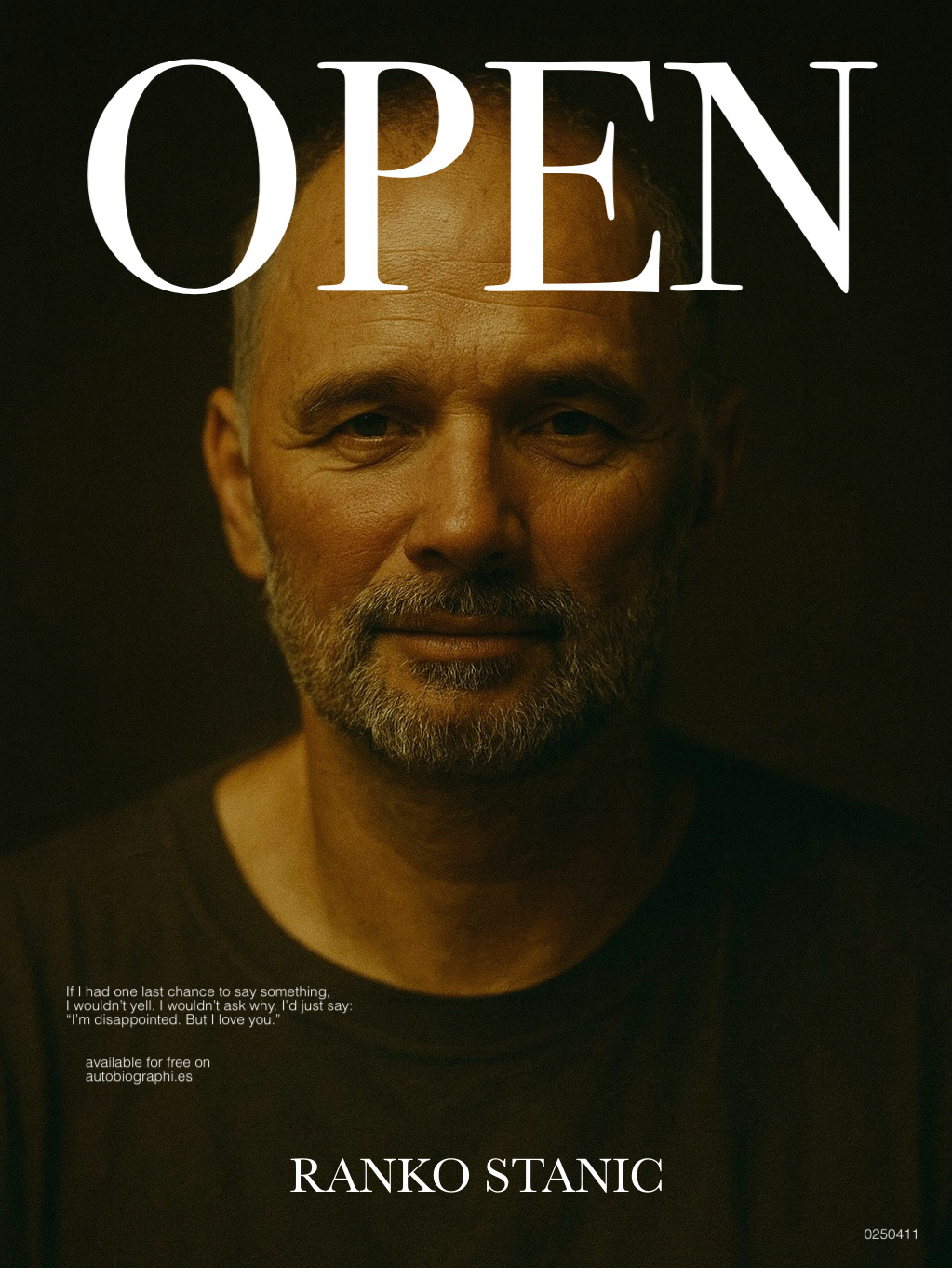
If I had one last chance to say something,
I wouldn’t yell. I wouldn’t ask why. I’d just say:
“I’m disappointed. But I love you.”